
Black Cats Deserve Better Odds
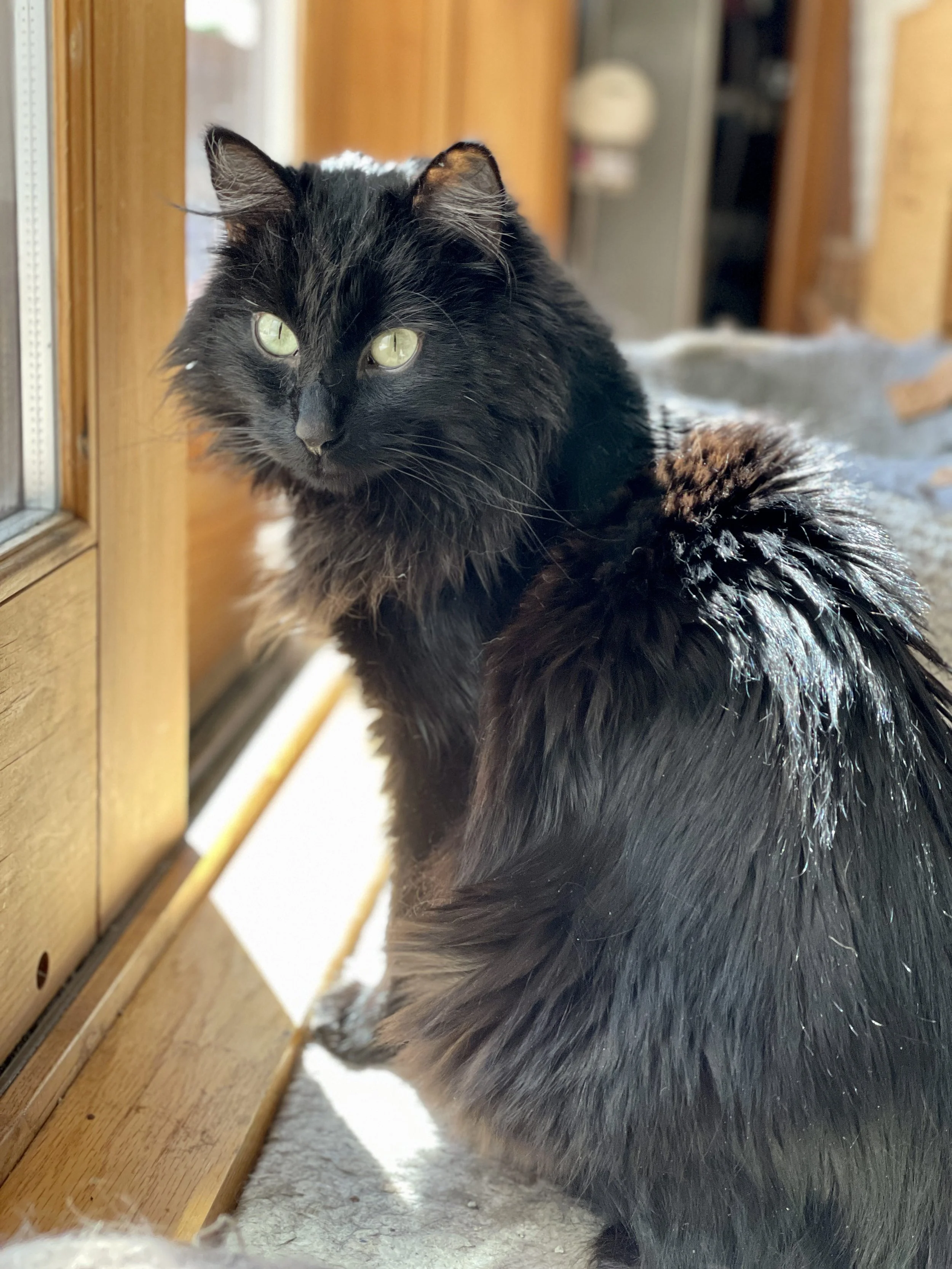
There's a black cat in nearly every shelter who's been waiting longer than the others for a home. It's not because of anything they did. It's because of how the camera sees them, and how we, as people, tend to read what the camera shows us.
A growing body of research backs this up, and the more we understand it, the better equipped we are to help black cats find their people faster.
The Statistics
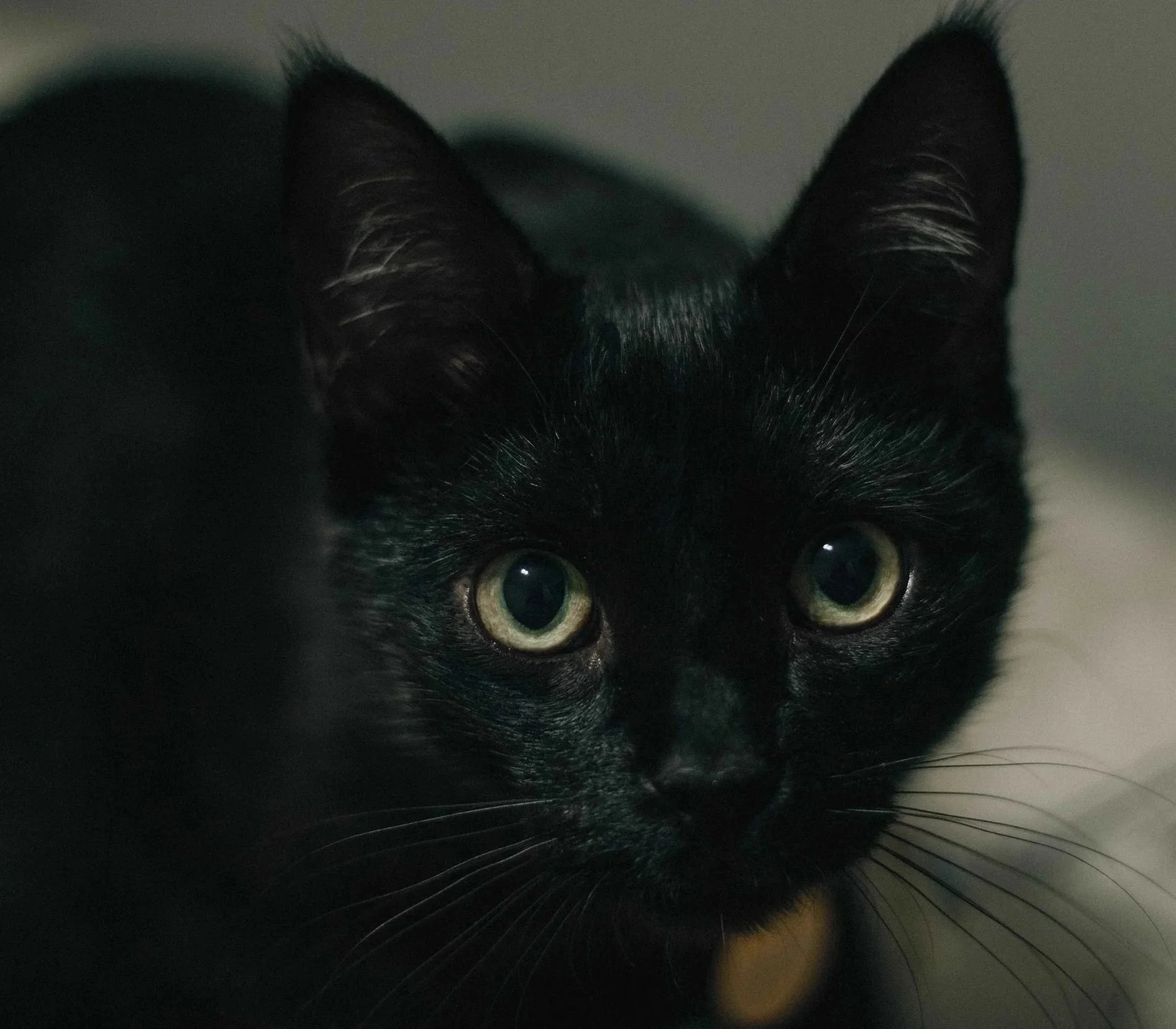
Each year, roughly 3.2 million cats enter U.S. animal shelters. Within that population, researchers have consistently found that black cats face longer shelter stays and lower adoption odds than cats of other coat colors, a pattern Psychology Today has covered as the "black cat bias."
One of the clearest looks at why comes from a 2026 study out of Stephens College and the University of Washington. Researchers showed 1,004 U.S. participants a set of 40 real shelter adoption photos pulled from Petfinder, evenly split between black, white, orange tabby, and brown tabby cats. People rated how adoptable each cat looked, what emotion the cat seemed to be feeling, and how confident they were in that read.
The results were telling:
🐈⬛ Black cats were rated as significantly less likely to be adopted than white, orange tabby, or brown tabby cats, just based on their shelter photo.
🐈⬛ Participants attributed negative emotions, like fear or anger, to black cats more often than to cats of any other color, purely from a static image.
🐈⬛ People reported lower confidence reading black cats' expressions, suggesting that photo visibility, not personality, may be driving some of the hesitation.
Real Shelter Outcomes
This isn't just a perception study. The American Animal Hospital Association has reported on a peer-reviewed analysis of nearly 8,000 cats at a Kentucky shelter, which found that black cats had the lowest adoption rate, 10%, and the highest euthanasia rate, 74.6%, of any coat color studied. White cats, by comparison, had the best outcomes. The same research also tested a popular theory: that black cats get a Halloween-season boost in interest. Looking at outcomes month by month, the researchers found no evidence of that. October was no kinder to black cats than any other month.
Some shelter-data roundups from WifiTalents report black cats making up around a fifth of shelter intakes while accounting for a noticeably smaller share of adoptions, with longer average waits to find a home compared to cats of other colors.
Black cats are overrepresented in shelters and underrepresented in adoptions.
A Fixable Problem
With the research pointing to visibility as the main issue, there's an easy solution for black cats: better photography. We know that's not always simple in practice, especially with a cat who's shy, hiding, or has only ever seen the inside of a kennel. Here are tips that hold up in real lie, not just in a photography manual:
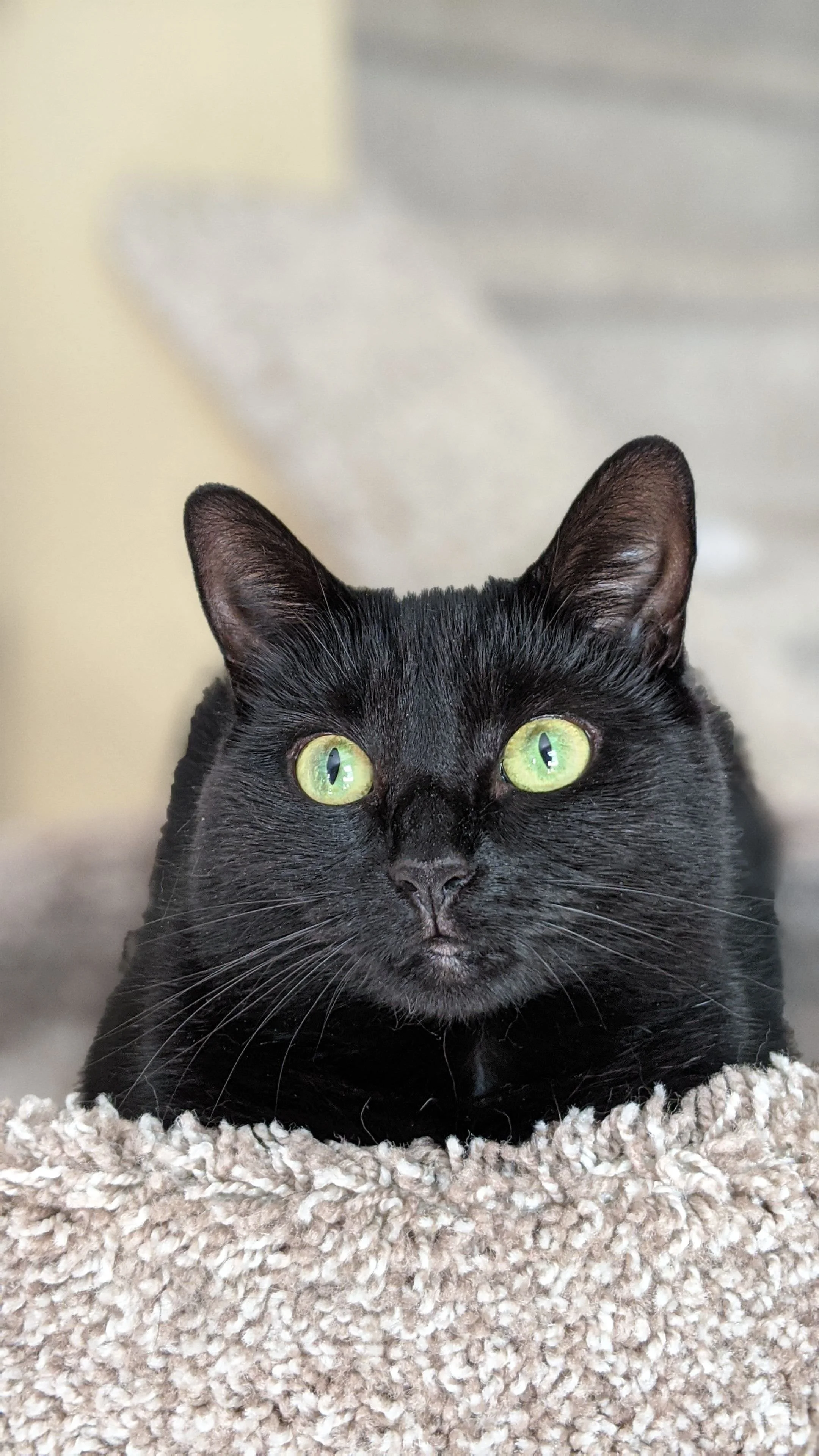
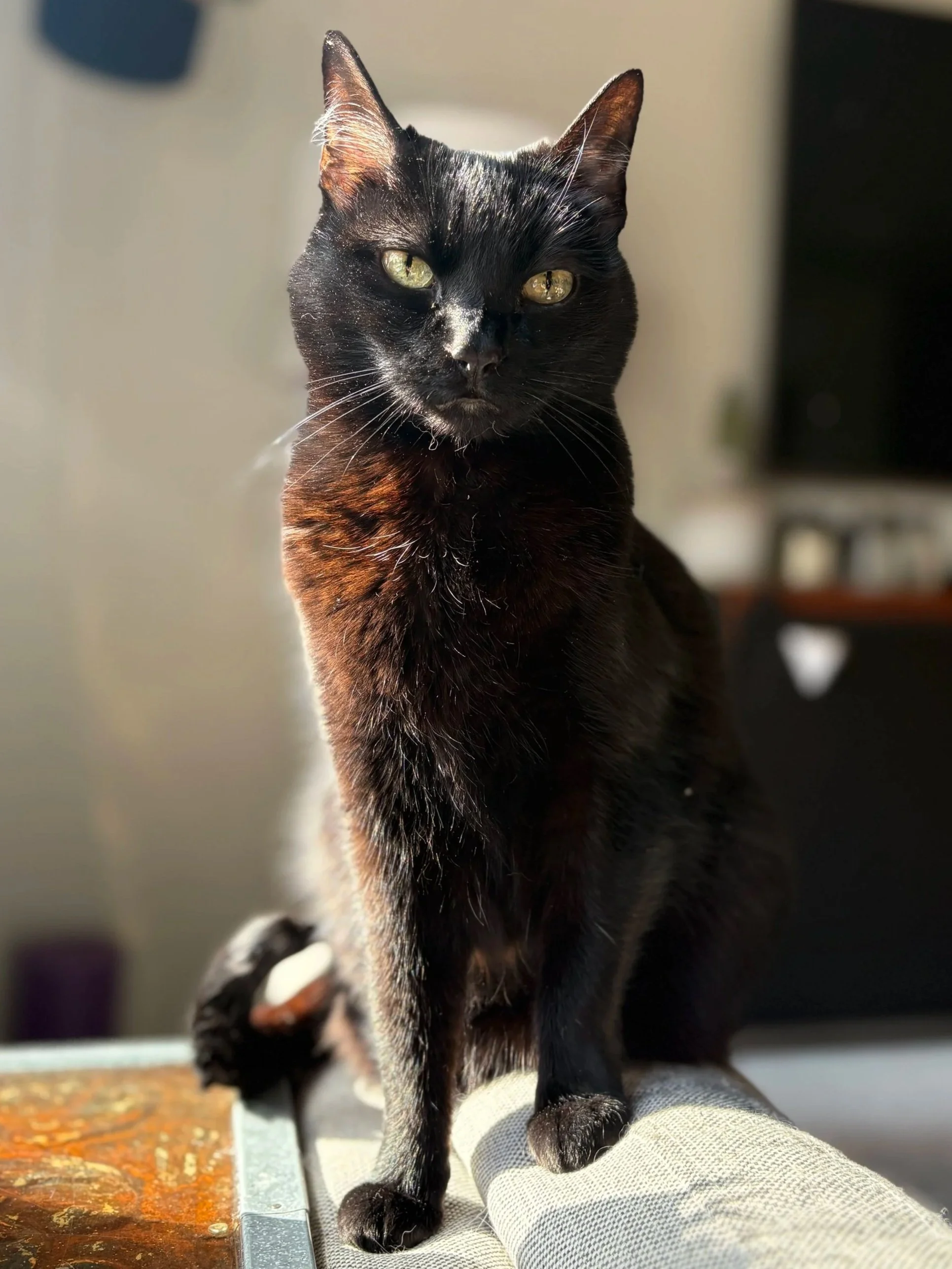
Skip the flash. On black fur, flash creates a flat glare instead of detail, and it can spook an already-nervous cat. A window or open doorway, even on a cloudy day, gives softer light that actually shows the face.
Get down to their level. Crouch or kneel so the camera is even with the cat's eyes instead of shooting down or up into the kennel. This one change fixes most of the distant, hard-to-read look that shelter photos tend to have.
Bring a toy, not just a camera. Holding a feather wand or crinkle toy just out of frame can get ears up and eyes open, which reads as far more inviting than a flat stare.
Let shy cats set the pace. If a cat is hiding, don't pull them out for a posed shot. Sit nearby, stay quiet, and take the photo whenever they peek out, even if it's just a face. A partial peek still beats no photo, and it often comes across as endearing rather than scared.
Shoot in bursts. Take more photos than feels necessary. For a cat who's blinking, moving, or camera-shy, the keeper shot is often the fourteenth frame, not the first.
Use portrait mode if your phone has it. Blurring the background behind the cat puts all the attention on their face.
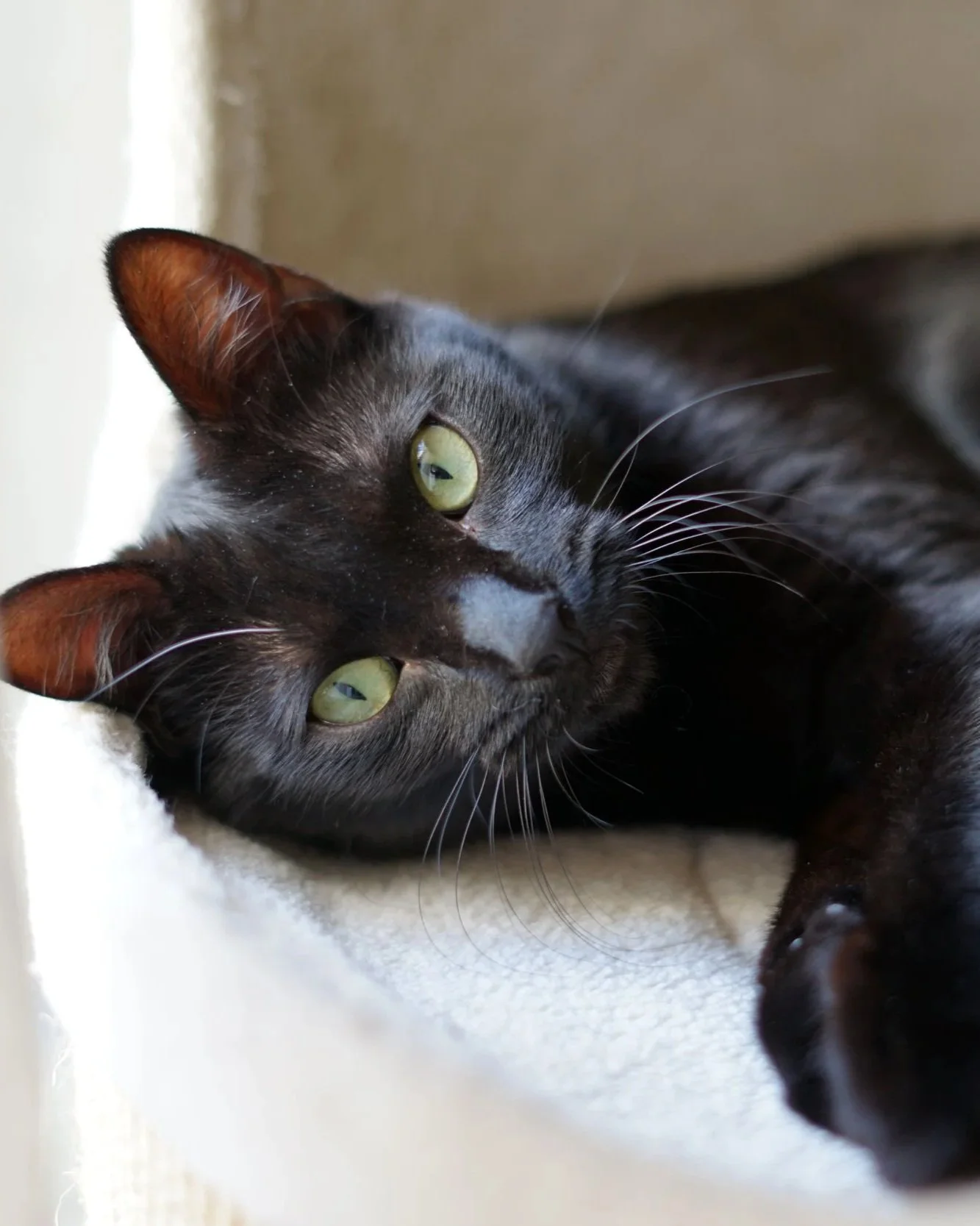
Pack a plain towel or blanket. A light-colored towel draped over a crate or chair gives instant contrast against dark fur, no need to stage an entire scene.
Try more than once. A cat who's tense on day one is often curious by day three. If you can swing by again later in the week, photograph them a second time and use whichever shot shows them most at ease.
None of this requires a studio or a fearless cat, just a little patience and a phone camera used well. And pairing a clearer photo with a few lines about who the cat actually is, playful, cuddly, a champion napper, helps potential adopters see past whatever the lighting couldn't quite capture.
What You Can Do
If you’re good at taking photos, volunteer at a local shelter to snap a few quick shots for them. Share a black cat's profile. Foster or adopt a black cat. Of you're scrolling a shelter’s website or instagram, give the black cat in the terrible photo a second glance - there’s a whole personality in there that the lighting just didn't catch.
And if you're already a black cat person, August 17th is Black Cat Appreciation Day and October 27th is National Black Cat Day. Both exist specifically to push back on old superstition and put black cats back in the spotlight, even if the spotlight has to work a little harder to find them.
Sources
Wu, K. (2020, October 25). 3 Reasons People Don't Adopt Black Cats. Psychology Today. psychologytoday.com — covering Jones, H.D. & Hart, C.L. (2020), Black Cat Bias: Prevalence and Predictors, Psychological Reports.
American Animal Hospital Association. Black cat bias: How coat color impacts shelter outcomes for cats. AAHA Trends Magazine. aaha.org — covering Carini, R.M., Sinski, J., & Weber, J.D. (2020), Coat Color and Cat Outcomes in an Urban U.S. Shelter, Animals, 10(10), 1720.
Villarreal, J.A., Gebauer, R., & Ha, J.C. (2026). Do Black Cats Look Less Adoptable? Human Judgments of Emotions and Adoptability in Online Shelter Photographs in the United States. Animals, 16(6), 869. mdpi.com
WifiTalents. (2026). Black Cat Adoption Statistics.wifitalents.com — industry data roundup, not peer-reviewed; figures cited as directional context only.
